
🧠 Tech Stack Rationale
Every technology in this stack was chosen to solve a specific architectural challenge, balancing performance, developer experience, and future scalability.
⚡ API Layer – Django Ninja
Django Ninja powers the entire backend API with asynchronous request handling and automatic OpenAPI (Swagger) documentation. This gives us:
- High concurrency without blocking the event loop.
- Type‑safe endpoints with Python type hints.
- Instant API documentation that stays in sync with the code, greatly reducing maintenance overhead.
In a large enterprise platform, these features translate into faster development cycles, fewer integration bugs, and a clear contract for frontend and mobile teams.
🎨 Frontend – React
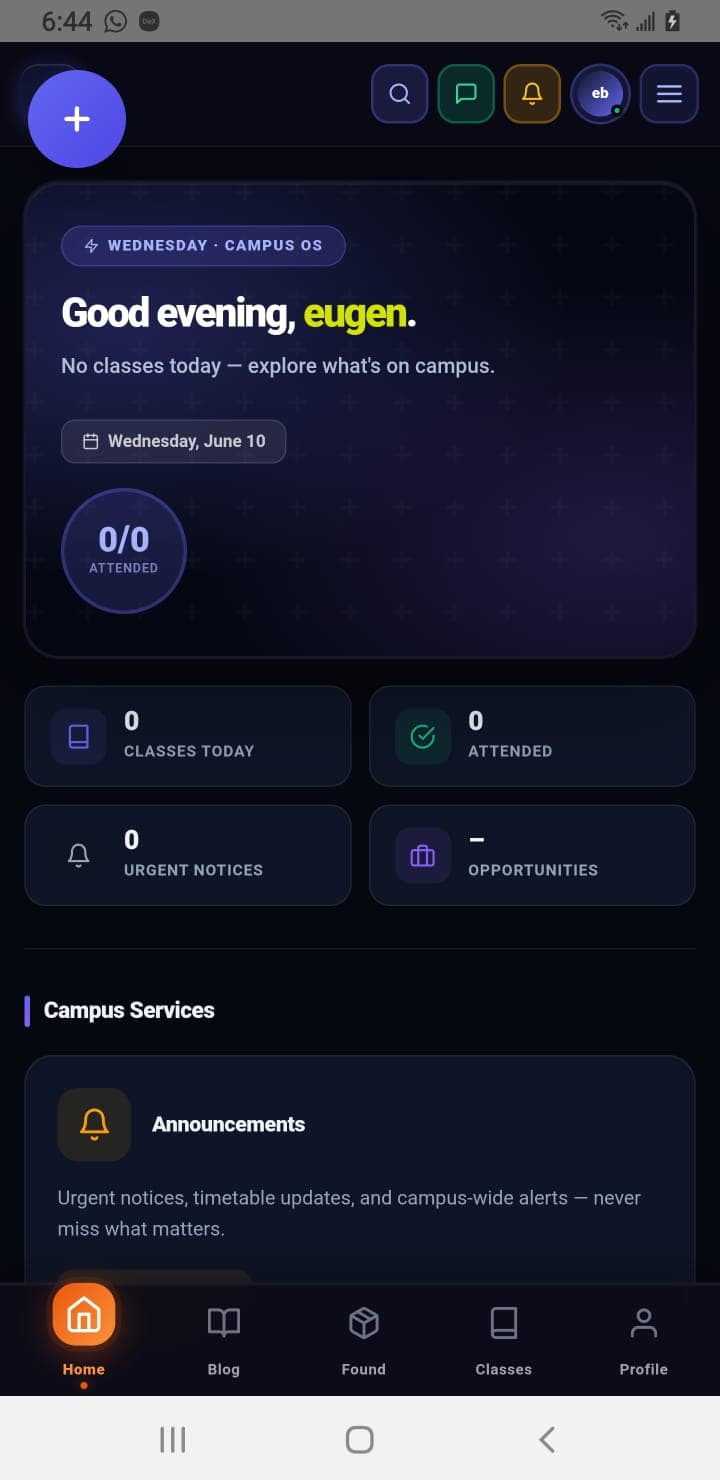
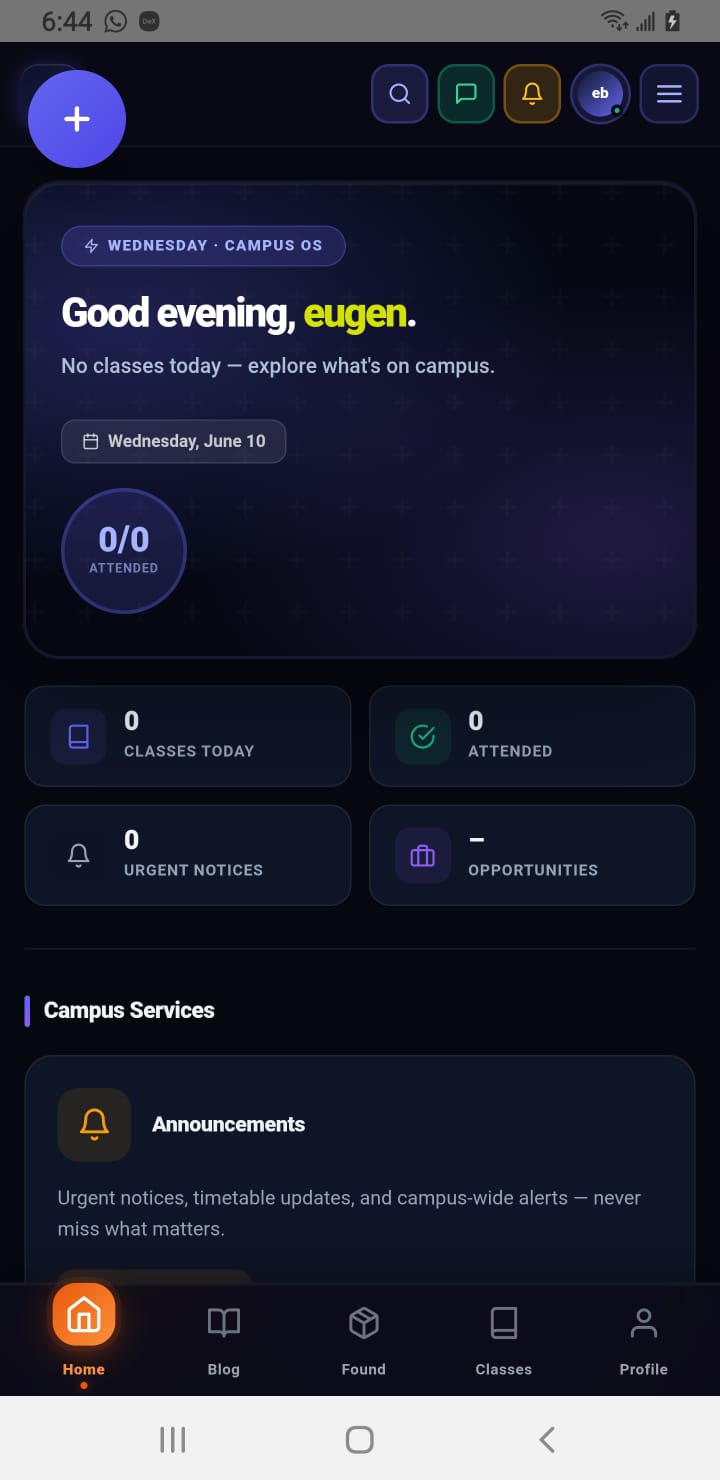
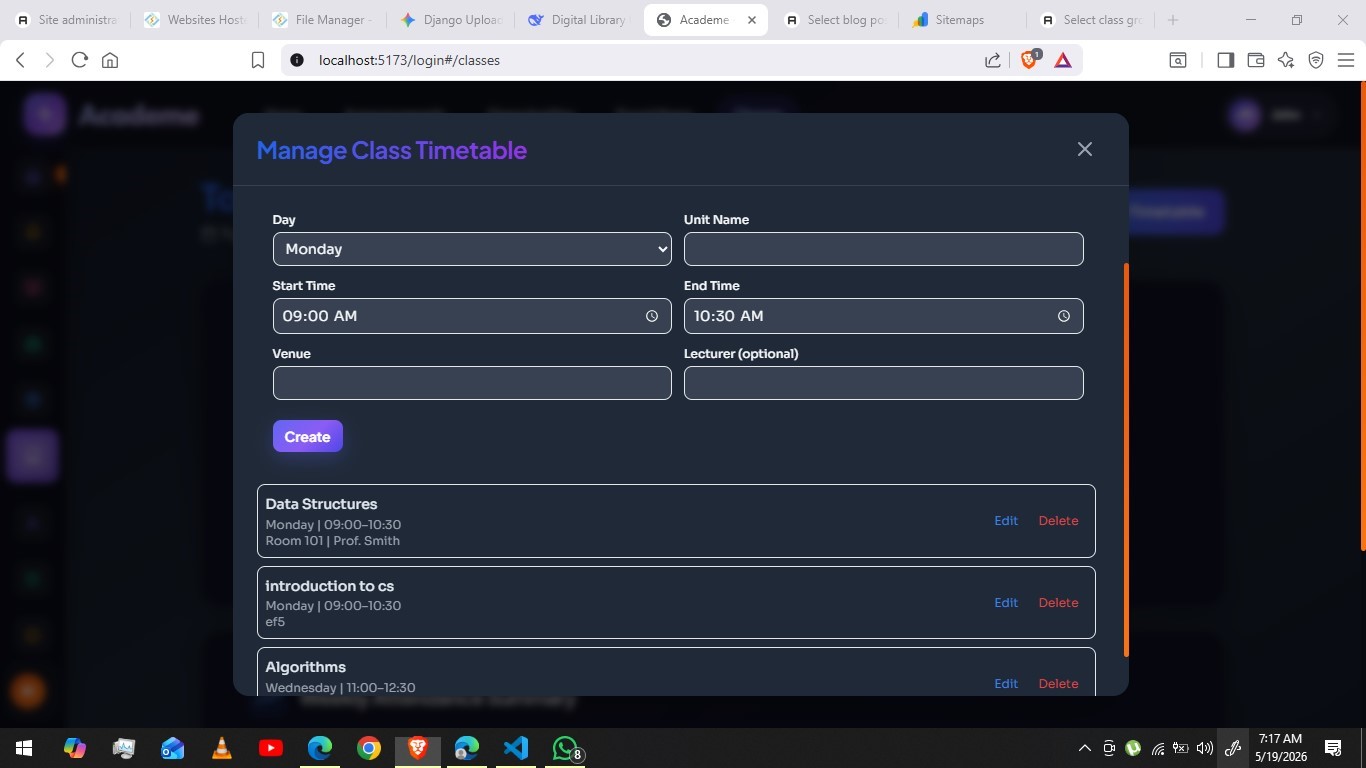
React’s component‑based architecture enables modular, reusable UI building blocks—essential for a platform with diverse content types (archive, blog, library, collaboration). We also leverage:
- Virtual DOM for smooth, responsive interactions.
- React Hooks to manage complex state and side effects cleanly.
- Ecosystem richness (React Router, React Query, etc.) that accelerates feature development.
The result is a dynamic, responsive user interface that feels snappy even on lower‑end devices.
🗄️ Database – PostgreSQL
PostgreSQL was the clear choice for our relational data model. It offers:
- ACID compliance and transactional integrity for financial transactions (subscriptions, payments) and content versioning.
- Advanced JSONB support for flexible metadata storage without sacrificing query performance.
- Full‑text search capabilities that complement our dedicated search engine (Elasticsearch).
Its reliability and extensive tooling make it the bedrock of my data layer.
💬 Real‑time Communication – Redis + Django Channels
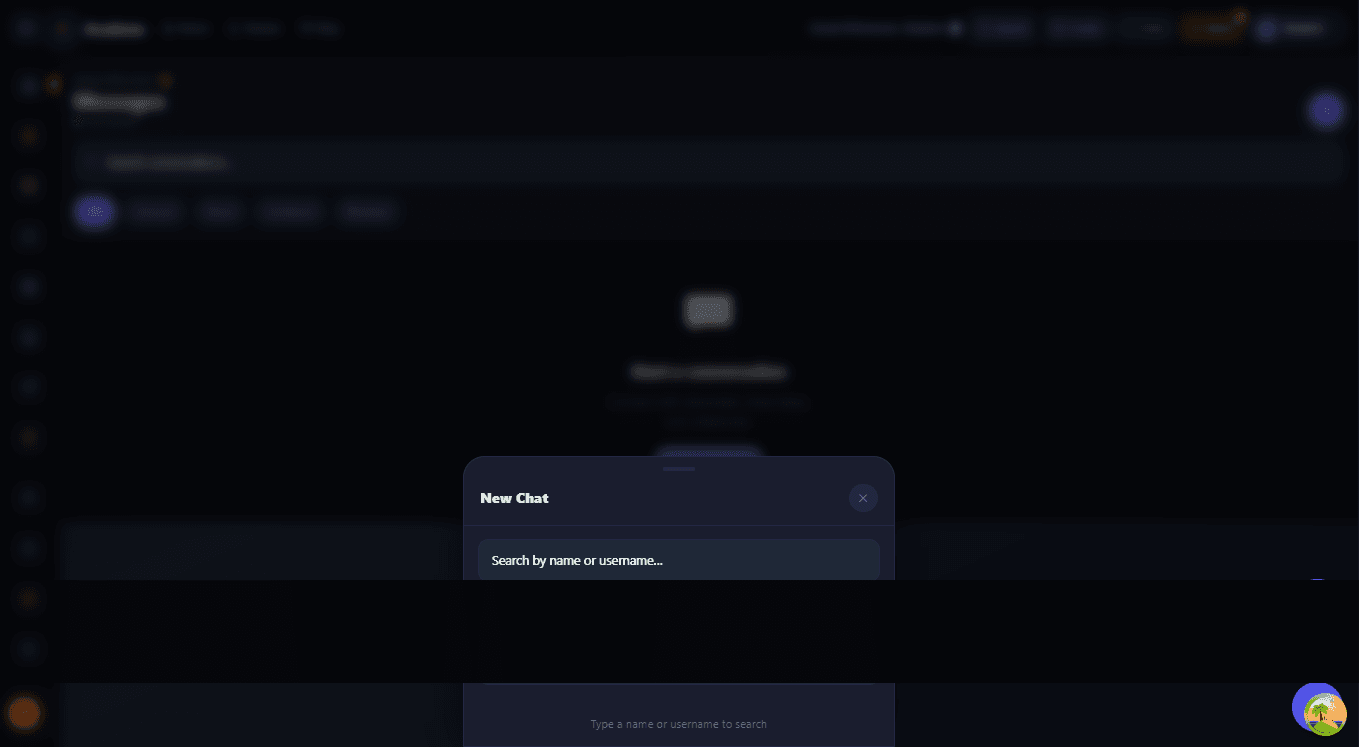
For instant messaging, notifications, and presence indicators, we pair Redis (as a message broker and cache) with Django Channels. This combination enables:
- Scalable WebSocket connections that can handle thousands of simultaneous users.
- Pub/Sub patterns for broadcasting updates (e.g., new comments, live collaboration events).
- Low‑latency message delivery, critical for a responsive community experience.
Redis also serves as our primary caching layer, reducing database load and improving page response times.
🔐 Biometric Authentication – AWS Rekognition
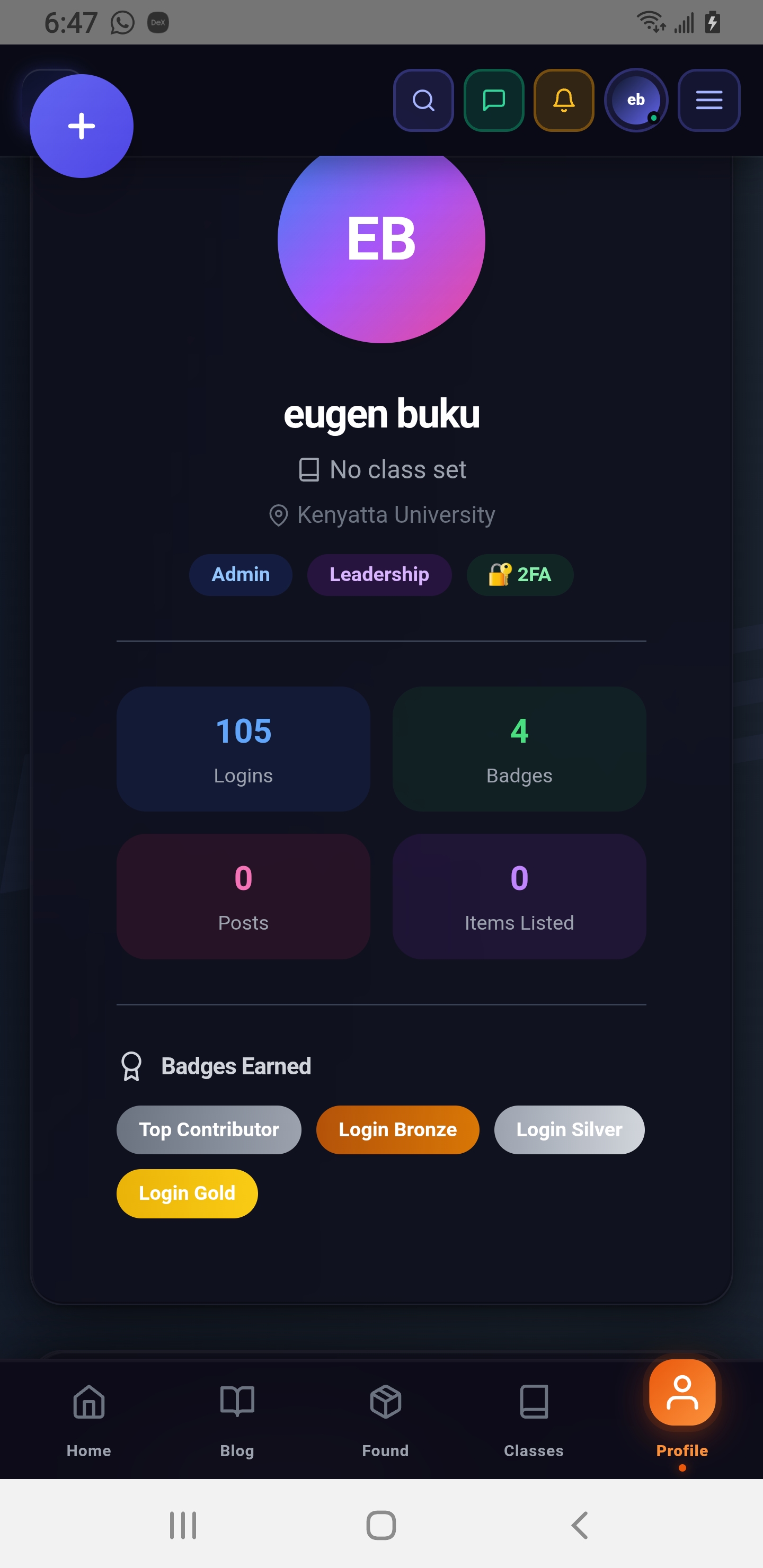
To provide a secure and frictionless login experience, we integrated AWS Rekognition for facial recognition. Key advantages:
- Zero local storage of facial data – all biometric templates are processed and stored securely in AWS, reducing compliance risks.
- Highly accurate matching algorithms, even with varying lighting and angles.
- Serverless scaling – the service scales automatically with user demand.
This ensures enterprise‑grade security while maintaining user convenience.
📱 Mobile & PWA – Capacitor
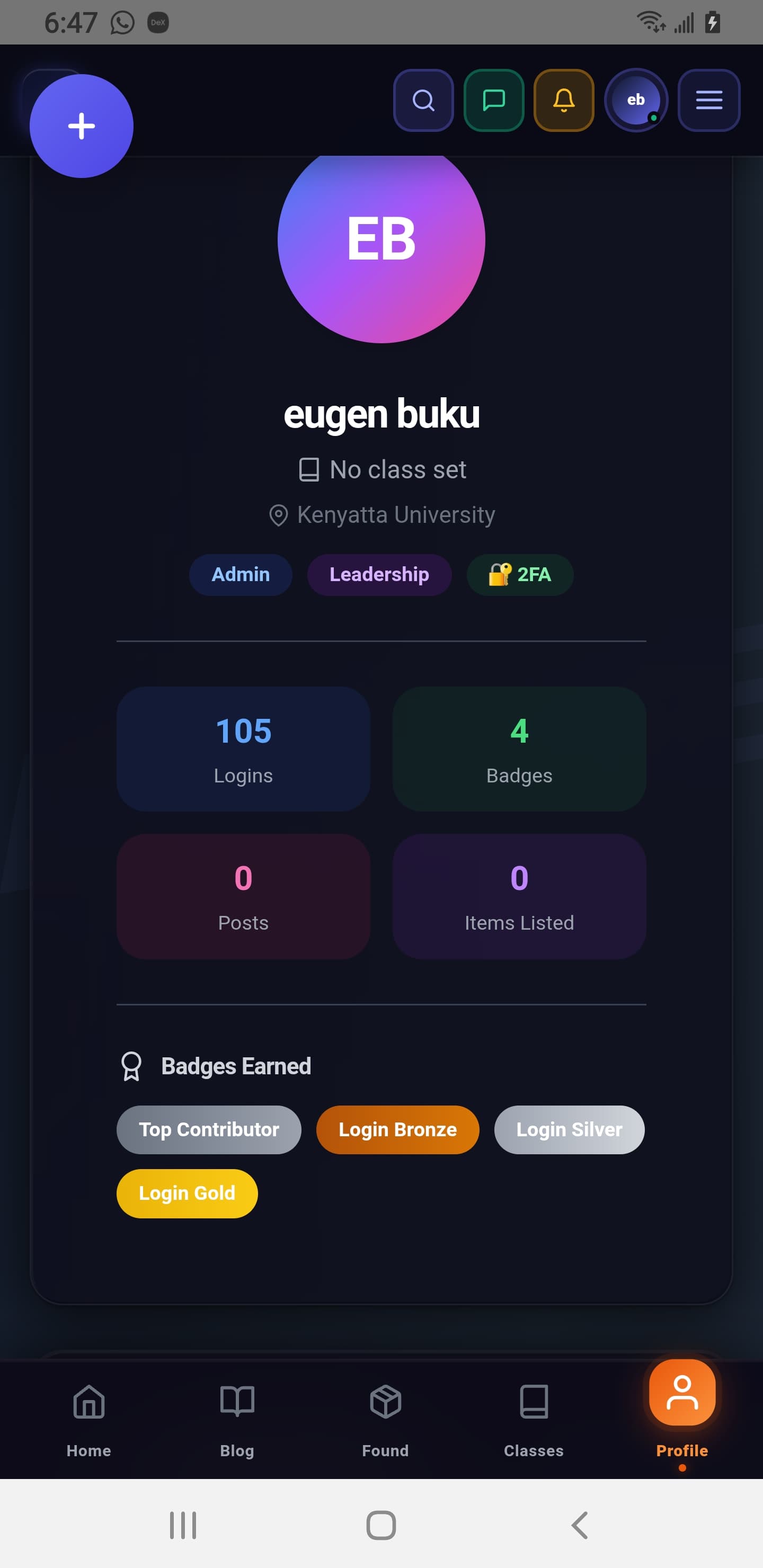
Instead of building separate native apps, we use Capacitor to package the existing React codebase into:
- Progressive Web App (PWA) – installable on any device, with offline support and push notifications.
- Android APK – a genuine native wrapper for the Play Store, sharing the same code.
This approach reduce maintenance costs, unifies feature development, and makes the platform accessible to users with limited connectivity or older devices.
🔗 How They Work Together
| Layer | Technology | Role |
|---|---|---|
| API | Django Ninja | Fast, typed, self‑documenting backend |
| UI | React | Interactive, component‑driven frontend |
| Database | PostgreSQL | Reliable, ACID‑compliant transactional storage |
| **Caching ** | Redis + Channels | Real‑time messaging & low‑latency caching |
| Auth | AWS Rekognition | Secure biometric verification |
| Mobile | Capacitor | Single‑codebase deployment to web, PWA, and Android |
This stack is not just a collection of tools—it’s a cohesive system engineered for performance, security, and rapid iteration, designed to grow with the platform’s evolving needs.
Project Gallery